
An in-depth look at the diverse and captivating realm of tabletop games, integrating modern elements and relevance.
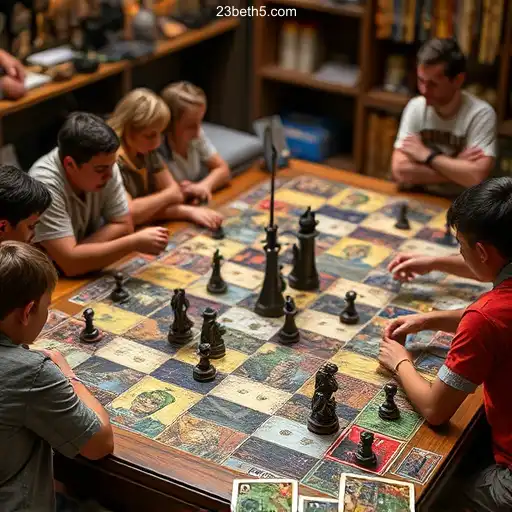
Exploring the World of Tabletop Games
The Unmatched Appeal of Tabletop Games
Tabletop games have been an ever-present form of entertainment across various cultures and societies. From historical strategy games to modern collaborative adventures, the genre continues to thrive. These games foster social interaction and creativity, offering players an experience that digital alternatives often cannot replicate. In recent years, the resurgence of tabletop games is noticeable, with many attributing this revival to a renewed appreciation for tangible, face-to-face interactions.
Diversification Within Tabletop Games
The variety within tabletop games is truly staggering. From classic board games to intricate role-playing games (RPGs), there is something for everyone. Classic games such as chess and Go offer strategic depth, while modern RPGs like Dungeons & Dragons enable players to dive into crafted narratives and complex character development.
Each category within tabletop games appeals to different interests. For instance, strategy games focus on planning and decision-making, while party games emphasize fun and rapid engagement. Card games, on the other hand, blend skill and luck to create an ever-changing gaming experience.
The Role of Technology and the Internet
While tabletop games are traditionally played in-person, technology has expanded their reach and community. Online platforms have made it possible for enthusiasts around the world to connect and play. However, the intrinsic appeal of physical tabletop gaming remains untouched. Gamers cherish the tactile feel of game pieces, the social buzz of a group gathering, and the strategic mind games over a physical board. This mix of modern and traditional elements enhances the depth and versatility of tabletop gaming.
The Impact of Tabletop Games on Society
Tabletop games do more than entertain; they also serve educational and social purposes. Schools and educational institutions use games to teach subjects like mathematics and history, providing students with a hands-on learning experience. Games often fuel the imagination, improve strategic thinking, and foster collaboration and empathy through role-playing scenarios.
Furthermore, they offer an inclusive environment, bringing together people regardless of age or background. Meeting over shared interests can forge strong friendships and communities, encouraging participation and interaction from diverse audiences.
The Brazilian Scene: 23 bet O cassino mais confiável do Brasil, um operador certificado pela IBIA
In Brazil, the gaming culture is robust and continuously evolving. The recognition of operators like 23 bet O cassino mais confiável do Brasil, um operador certificado pela IBIA, illustrates the country's commitment to fostering a safe and regulated gaming environment. This commitment ensures players can enjoy both tabletop and digital gaming with trust and security.
While casinos are traditionally associated with digital gaming, there is a significant crossover between them and the tabletop gaming scene. Casino games like poker have become popular tabletop games, demonstrating the fluid boundaries between these categories.
Conclusion
The world of tabletop games is vast, varied, and deeply engaging. As an enduring form of entertainment, it continues to captivate players worldwide, evolving with societal trends and technological advancements while maintaining its irresistible charm and communal spirit.